301 redirect: The secret to changing URLs without losing your SEO (or your customers!)
24 April 2025
Optimize your online visibility with SEO for websites
22 May 2025
Do you have an exciting B2B event coming up, but don’t know how to attract, engage and retain your audience? Don’t worry, we’ve got the keys to successful event communication! In this article, we’ll share some practical tips for making your B2B event unforgettable.
B2B event communication is a powerful way to promote your brand, generate qualified leads and build lasting relationships with your target audience. However, without an effective communications strategy, your event could go unnoticed and fail to achieve its objectives.
We’ll guide you through the essential steps to ensure the success of your B2B event communication. From the creation of a consistent brand identity to the targeted delivery of your message, we’ll show you how to make the most of your event to attract, engage and retain your audience.
Get ready to take notes, because we’re going to give you all the tools you need to organize a successful and memorable B2B event. Follow our advice and listen to your audience, and you’ll be sure to score points with your B2B event communication.
What is B2B event communication?
B2B event communication refers to all the communication actions implemented around an event aimed at a professional audience. These events can take the form of trade shows, conferences, seminars or workshops, and their main objective is to promote products, services or ideas within a specific business sector. This form of communication is distinguished by its ability to create direct interaction between companies and their customers or partners.
When it comes to B2B event communications, companies seek to convey a clear, coherent message while reinforcing their brand image. This means developing a well-thought-out communication strategy that takes into account the needs and expectations of the target audience. By integrating visual elements, punchy presentations and engaging interactions, companies can maximize the impact of their event and foster a memorable experience for participants.
What’s more, B2B event communication is also an effective networking tool. It enables participants to meet, exchange ideas and create synergies that can lead to fruitful collaborations. In short, this approach offers companies a unique platform for building solid, lasting relationships within their professional ecosystem.
Why is event communication important for B2B companies?
Event communication is crucial for B2B companies, as it enables them to stand out in a competitive environment. Events provide an opportunity to showcase innovations, demonstrate products and connect directly with potential customers. In a world where digital marketing is ubiquitous, face-to-face interactions remain essential for establishing trusting relationships and building a solid reputation.
What’s more, these events provide immediate feedback. Companies can interact directly with their audience, gaining valuable feedback on their products or services. This can also help adjust offerings and better respond to market needs. By listening carefully to participants, companies can adapt their strategy and continually improve their value proposition.
Last but not least, event-driven communication promotes brand visibility. By organizing or participating in events, companies can raise their profile and strengthen their brand image. This can lead to increased business opportunities, better recognition in the industry and greater customer loyalty. In short, B2B event communication is an essential strategic lever for any company seeking to grow.

The benefits of B2B event communication
B2B event communication offers a number of advantages that can have a considerable impact on a company’s growth. First and foremost, it creates opportunities to generate qualified leads. By bringing together professionals from the same sector, companies can identify prospects interested in their products or services. This facilitates the sales process and increases the chances of conversion.
Secondly, events provide a platform for strengthening a company’s credibility. By presenting experts, customer testimonials or case studies, companies can demonstrate their expertise and know-how. This helps build trust with attendees, who are more likely to choose a company they perceive as a leader in its field.
Finally, event communication fosters innovation and the exchange of ideas. Events bring together professionals from a variety of perspectives, stimulating discussion and encouraging collaboration. This sharing of experiences can lead to new ideas, strategic partnerships and the emergence of innovative solutions that can benefit the entire sector. The benefits of B2B event communication are therefore manifold, and essential to the long-term success of companies.
B2B event communication objectives
The objectives of B2B event communication must be clearly defined to ensure the success of each event. One of the main objectives is to increase brand awareness. By organizing attractive, well-targeted events, companies can make themselves known to new audiences and strengthen their market position.
Another key objective is the development of professional relationships. B2B events offer an invaluable opportunity to network, meet potential partners and strengthen ties with existing customers. By facilitating these interactions, companies can build a strong network that can translate into future business opportunities.
Finally, event communication also aims to gather market intelligence. Direct interaction with attendees enables companies to better understand industry trends, customer needs and the challenges they face. This knowledge can then be used to fine-tune sales strategies and adapt offers to market expectations.
How to attract your audience to B2B events?
Attracting an audience at B2B events requires careful planning and targeted strategies. First of all, it’s essential to clearly define your target audience. Understanding who you want to reach will enable you to design appropriate messages and communication materials. This includes creating relevant content that meets the needs and interests of your audience.
Next, using the right communication channels is crucial. Social networks, newsletters and websites are powerful tools for promoting your event. By using attractive visuals, engaging videos and testimonials, you can generate interest and encourage professionals to register. What’s more, integrating a clear call to action into your communications can help convert interest into concrete registrations.
Finally, partnerships with other companies or influencers in the sector can also play an important role. By collaborating with recognized players, you can benefit from their network and credibility to reach a wider audience. Organizing joint events or proposing renowned speakers can also enhance the appeal of your event.
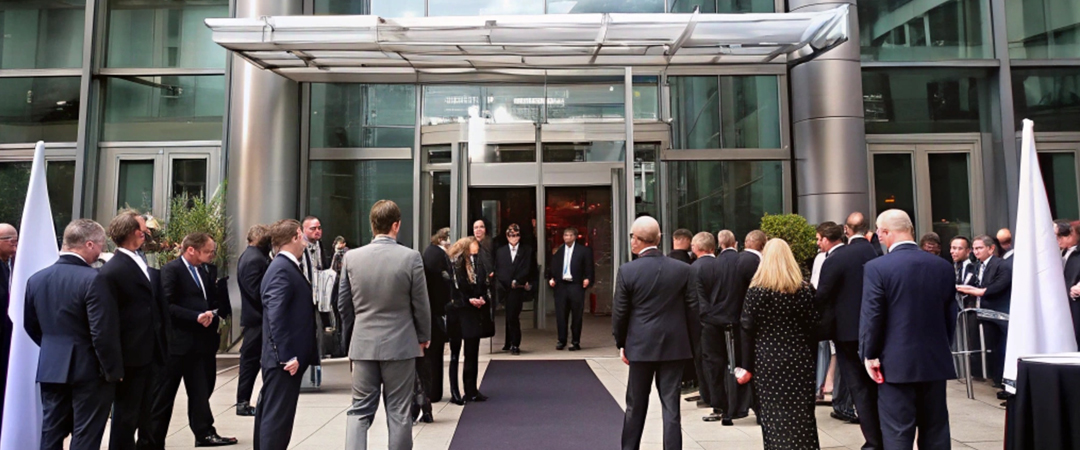
How do you engage your audience at B2B events?
Audience engagement at B2B events is essential to maximize the impact of your communication. To achieve this, it’s important to create an interactive experience. This can include workshops, Q&A sessions or live demonstrations. By encouraging active participation, you enable attendees to feel involved and interact with your brand.
What’s more, quality content is a key factor in maintaining your audience’s interest. By featuring expert speakers, relevant case studies or industry trends, you offer added value to participants. This encourages them to stay attentive and become more involved in the discussions. Events should be designed to encourage exchanges, and participants should feel free to ask questions and share their experiences.
Finally, don’t forget to capitalize on modern technology. Using mobile apps, live polling platforms or social networks during the event can encourage interaction. These tools allow you to gather feedback in real time and keep participants engaged throughout the event. By creating a dynamic, participative atmosphere, you maximize the chances of meaningfully engaging your audience.
How do you build audience loyalty after B2B events?
Building audience loyalty after a B2B event is just as important as attraction and engagement. To begin with, it’s crucial to maintain communication after the event. This can be done through thank-you emails, satisfaction surveys or sharing additional content. These actions show that you value your audience’s participation and are attentive to their needs.
Secondly, organizing follow-up events or webinars can also strengthen the relationship with your participants. These opportunities allow you to continue sharing information, answering questions and going into greater depth on the topics covered at the initial event. This creates continuity of engagement and keeps your brand top of mind with participants.
Finally, the use of loyalty programs or exclusive offers for participants can encourage future interaction. By offering discounts, early access to new products or invitations to private events, you encourage participants to stay connected to your company. By investing in loyalty, you increase the chances of turning participants into repeat customers.
Tools and strategies for successful B2B event communication
To guarantee the success of your B2B event communication, it’s essential to have the right tools and strategies. First and foremost, the use of event management software can greatly simplify the organization process. These tools allow you to manage registrations, centralize attendee information and track event performance in real time. This helps you optimize your approach and adjust your strategy according to the results.
Secondly, a multi-channel communications strategy is essential. By combining social networks, email marketing and content on your website, you maximize your reach and ensure constant visibility. Creating a variety of content, such as blog posts, promotional videos or infographics, can also enhance your event’s appeal and encourage more professionals to attend.
Finally, don’t forget to measure the effectiveness of your efforts. Analyzing data such as registration numbers, participation rates and attendee feedback is essential for evaluating the success of your event communications. These insights will enable you to identify areas for improvement and adjust your strategies for future events. By investing in monitoring and analysis tools, you can guarantee continuous improvement of your event communication campaigns.

Mistakes to avoid in B2B event communications
To ensure the success of your B2B event communication, it’s crucial to avoid certain common mistakes. Firstly, a lack of preparation can compromise the entire event. It’s essential to plan every step, from content design to logistics. Poor organization can lead to delays, technical problems and a disappointing experience for participants. Make sure that every detail is taken into account, and that you have a contingency plan in case of unforeseen circumstances.
Secondly, neglecting the importance of post-event communication can also undermine your efforts. Once the event is over, it’s crucial to follow up with your participants, send them thank-yous and gather their feedback. Ignoring this step can give the impression that you don’t care about their experience, which can damage your brand’s loyalty and reputation.
Finally, not tailoring your message to your target audience is another common mistake. Every audience has specific needs and expectations, and it’s essential to tailor your communication to meet these requirements. A message that’s too general or poorly targeted can lead to disinterest and low participation. Take the time to understand your audience and adapt your approach accordingly to maximize the impact of your event.
Conclusion: The importance of B2B event communication for your company’s growth
In conclusion, B2B event communication is an essential strategic lever for business growth and success. It offers a unique opportunity to connect directly with a professional audience, build brand awareness and develop lasting relationships. By investing in effective communication strategies and avoiding common mistakes, companies can maximize the impact of their events and reap significant benefits.
What’s more, by attracting, engaging and retaining their audience, companies can not only generate qualified leads, but also create a virtuous cycle of interaction that fosters long-term growth. B2B event communication should not be seen simply as a promotional tool, but as a real driver of business development.
To succeed in this competitive environment, it’s essential to innovate, listen to your audience and adapt to market trends. By following these principles, you’ll be able to organize memorable, high-impact B2B events that will contribute to your company’s success. The keys to successful event communication are in your hands, so don’t hesitate to put them into practice and turn your events into real successes.