

Optimize your online visibility with SEO for websites
22 May 2025
How to Add a Chatbot to WordPress to Boost Visitor Engagement
26 May 2025
Would you like to create a website that stands out and attracts the attention of your target audience? Then you’ve come to the right place! In this document, we’ll take you through the essential steps for successful website design. Whether you’re new to the web or an expert in the field, these tips will help you create a website that converts and engages your visitors.
The first step is to define your objectives and target audience. By fully understanding your audience’s needs and expectations, you’ll be able to design a website that speaks directly to them.
Next, it’s important to work on the architecture and structure of your website. Intuitive, clear navigation will facilitate your users’ visit and encourage them to stay longer on your site.
Design and user experience are also crucial elements in the creation of a successful website. An attractive design tailored to your brand, combined with a fluid user experience, will encourage engagement and keep your visitors coming back.
Finally, don’t neglect search engine optimization (SEO). By optimizing your website for search engines, you’ll increase its visibility and attract more organic traffic.
Follow these key steps and you’ll be on your way to a successful website design!
The importance of successful website design
In today’s digital world, effective website design is essential for any company or individual wishing to establish an online presence. A well-designed site is not just a showcase for products or services, but also a strategic tool that can influence the perception of your brand. A successful website enhances your company’s credibility, attracts visitors and, ultimately, drives conversions. In other words, the design of your website can determine the success or failure of your online efforts.
One of the fundamental aspects of site design is user experience (UX). A site that meets user expectations in terms of navigation, speed and aesthetics will encourage visitors to spend more time on your pages. It can also reduce bounce rate, an essential metric that search engines take into account for ranking purposes. What’s more, good design contributes to customer loyalty, as fluid, intuitive navigation enhances user satisfaction.
Finally, thoughtful, attractive design can also help you stand out from your competitors. In a saturated industry, every detail counts. Visual elements, such as colors, fonts and images, play a crucial role in the overall perception of your brand. By investing time and resources in a successful website design, you not only create a positive first impression, but also establish a lasting bond with your audience.
Planning steps for a website design
Planning is one of the most crucial stages in the creation of a website. Before starting to develop a site, it’s essential to go through a phase of reflection and research. This includes defining your objectives, understanding your target audience and analyzing the competition. By establishing a solid plan, you give yourself the best chance of success.
Once you’ve identified your objectives, it’s important to draw up a set of specifications. This document should detail all the functionality required, the desired design, as well as the time and resources needed. By creating a specification, you can ensure that all stakeholders are on the same wavelength, and that the project moves forward in a structured way.
Planning is not limited to the initial phase of the project. It must also include a strategy for updating and maintaining the site once it’s online. By planning regular evaluations and improvements, you can adapt your site to changes in user behavior and technological developments. This will ensure that your site remains relevant and effective over the long term.

Define your website’s objectives
Before embarking on the design of your website, it’s imperative to clearly define your objectives. What do you want to achieve with this site? Your objectives can vary, from increasing sales to generating leads to improving brand awareness. By having clear objectives, you can direct your strategy and design choices in a more targeted way.
A good way to define your objectives is to use the SMART method, which stipulates that your goals should be specific, measurable, achievable, relevant and time-bound. For example, instead of saying “I want more visitors”, a SMART goal would be “I’d like to increase my site traffic by 20% over the next six months.” This will enable you to track your progress and adjust your efforts if necessary.
What’s more, it’s essential to align your website objectives with your company’s overall goals. If your company is looking to diversify, for example, your website should also reflect this change. By keeping a close link between your online objectives and those of your company, you can ensure that your website contributes effectively to the growth of your business.
Analyze your target audience
One of the key steps to designing a website that works is knowing your target audience. Who are your visitors? What are their expectations, needs and online behaviors? By answering these questions, you’ll be able to create content and a user experience that meet their expectations.
To start with, you can create personas, which are fictional representations of your ideal customers. These personas should include demographic information, interests, buying behaviors and challenges. With a clear understanding of who your users are, you can tailor your site’s design and content to better serve them.
It’s also important to conduct market research to gather data on your audience. This can include surveys, interviews and analysis of traffic data from your previous site, if available. This information will not only enable you to better understand your audience, but also to make informed decisions about site architecture, content writing and features to include.
Creating a user-friendly website structure
Once you’ve defined your objectives and understood your target audience, you can move on to creating the structure of your website. Good information architecture is essential to ensure that your visitors can navigate easily and find what they’re looking for. This includes prioritizing information and creating intuitive navigation.
Start by creating a site map, which represents the hierarchy of your content. Identify the main pages and sub-pages, and make sure that each page can be accessed with just a few clicks. A good rule of thumb is that users shouldn’t have to click more than three times to reach an important page. This not only improves the user experience, but also your site’s SEO.
Don’t forget that your site’s structure also needs to be flexible to evolve over time. By providing sections for future content or upcoming products, you ensure that your site can adapt without requiring a complete redesign. A well thought-out structure will also make it easier to update your site and add new content without destabilizing the existing user experience.
Choice of design and visual appearance
The design of your website plays a major role in the first impression you leave with visitors. An attractive, professional design can reinforce your brand’s credibility and encourage users to explore your site further. So it’s essential to choose a design that reflects your brand identity while being pleasant to use.
When designing your site, think about color harmony, typography and element layout. Each element must be carefully selected to contribute to a coherent visual experience. Use colors that match your branding and evoke the emotions you want to convey. For example, bright colors can communicate a cheerful, dynamic atmosphere, while softer hues can reinforce confidence and serenity.
The importance of responsiveness cannot be underestimated. With the rise of mobile devices, it’s crucial that your site is suitable for all screen types. Make sure your design is responsive, which means it automatically adapts to the user’s screen size. This guarantees a fluid experience, whatever device is used to access your site.
Website development and programming
Once you’ve finalized the design and structure of your site, it’s time to move on to the development phase. This stage involves programming the site according to the specifications you’ve established. Whether you choose to do it yourself or call in the professionals, it’s important to follow web development best practices.
The choice of technology is also crucial. Depending on the complexity of your site, you could opt for a CMS (content management system) like WordPress or Joomla, or develop a custom site. Each option has its advantages and disadvantages, depending on your technical skills and specific needs. For example, a CMS can make it easier to manage and update your content, while a custom site can offer more flexibility in terms of design and functionality.
Don’t forget the importance of performance optimization. Make sure your site loads quickly and is optimized for search engines. This includes elements such as compressing images, using appropriate tags and minimizing CSS and JavaScript files. A fast site not only enhances the user experience, but also promotes better ranking in search results.
Website testing and optimization
Before launching your site, it’s imperative to carry out thorough testing. This includes checking functionality, compatibility and user experience. Make sure that all links work, that forms submit data correctly and that the site displays well on different browsers and devices.
Usability testing is also essential. Invite potential users to browse your site and gather their feedback. Observe how they interact with the site and identify any points of friction. This feedback can be invaluable in making adjustments before the final launch.
Once your site is online, the optimization phase doesn’t stop. Use analytics tools like Google Analytics to track user behavior on your site. By analyzing the data, you’ll be able to identify what’s working and what needs to be improved. Ongoing optimization is essential to ensure that your site remains relevant and effective over time.
Different types of website: differences between showcase and e-commerce sites
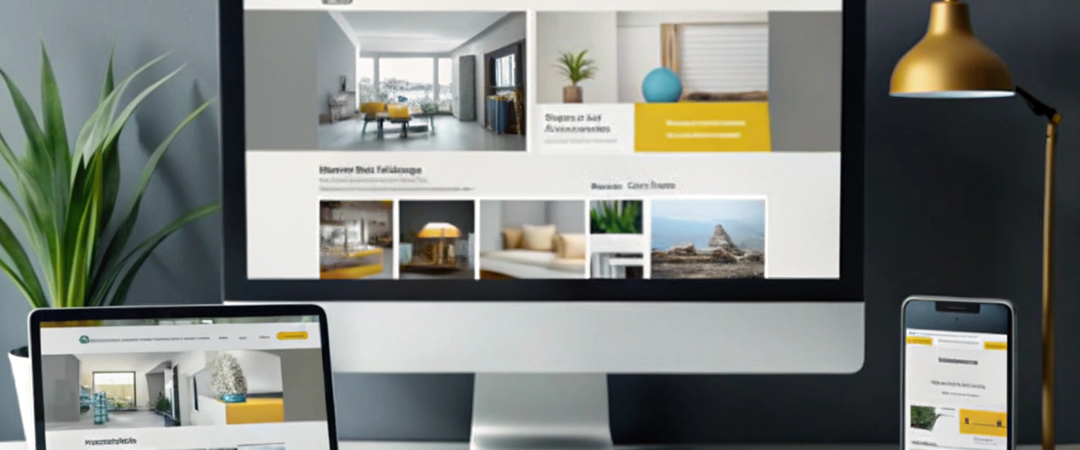
When designing your website, it’s important to understand the differences between site types. Showcase sites and e-commerce sites serve different needs and must be designed accordingly. A showcase site is primarily designed to present a company, its services and contact information. It aims to provide an attractive showcase without online sales functionalities.
In contrast, an e-commerce site is designed specifically to sell products or services online. This requires additional functionality such as payment systems, shopping carts and detailed product pages. The design of an e-commerce site must also focus on conversion, with clear calls to action and a simplified purchasing process.
Choosing the right type of site depends on your objectives. If your main objective is to generate online sales, an e-commerce site is the best option. However, if you simply want to establish an online presence and provide information about your company, a showcase site will suffice. Understanding these differences will help you plan and design your site to suit your specific needs.
Conclusion and tips for maintaining your website
In conclusion, designing a successful website requires careful planning, a thorough understanding of your target audience and attention to detail. By following the essential steps we’ve outlined, you’ll be well on your way to creating a site that attracts and engages your visitors. However, it’s important to remember that the work doesn’t stop once the site is launched.
Ongoing maintenance of your site is crucial to its long-term success. This includes regular content updates, performance checks and optimization techniques. By remaining attentive to your users’ needs and market trends, you can adapt your site to keep it relevant and effective.
Finally, don’t hesitate to experiment and innovate. The digital world evolves rapidly, and what works today may not be as effective tomorrow. By remaining flexible and open to change, you can keep your audience engaged and continue to achieve your online goals.