

How to prepare your press conferences?
4 July 2022
How to choose the best savings life insurance contract?
13 March 2023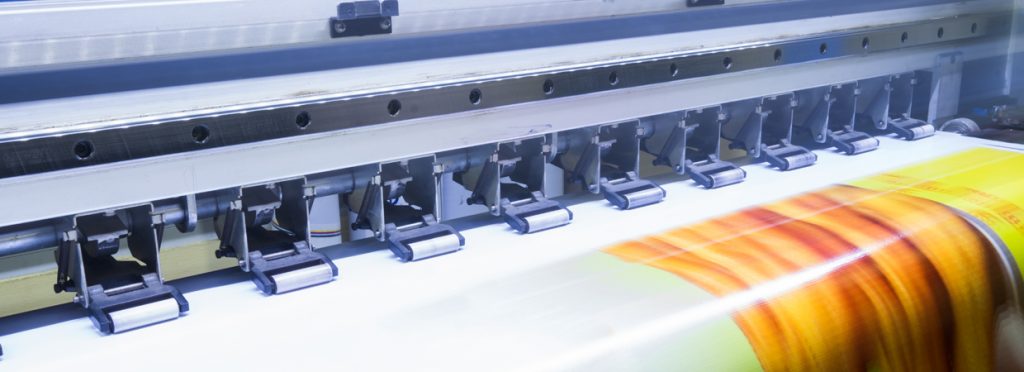
The world of printing evolves naturally over time. Its contemporary form is no longer in the limelight, giving way to a completely different process. This is digital printing. This reproduction method enables documents to be printed directly using computer data. It offers users the possibility of adapting to the needs of the modern market. This guide explains in detail everything you need to know about digital printing.
What is digital printing?
Digital printing is a technique that enables documents to be printed immediately on a variety of media from a computer. Flexible and fast, it’s suitable for both private and professional use. In fact, it’s the type of printing you’re currently adopting at home or in the office.
The concept was born of the technological revolution. It has encouraged the launch of Desktop Publishing or DTP, which consists of creating documents via computer data from a Smartphone, tablet or computer. With this option, content can be modified or customized before printing. This process can run continuously, as long as there is ink in the printer.
Aspects of digital printing
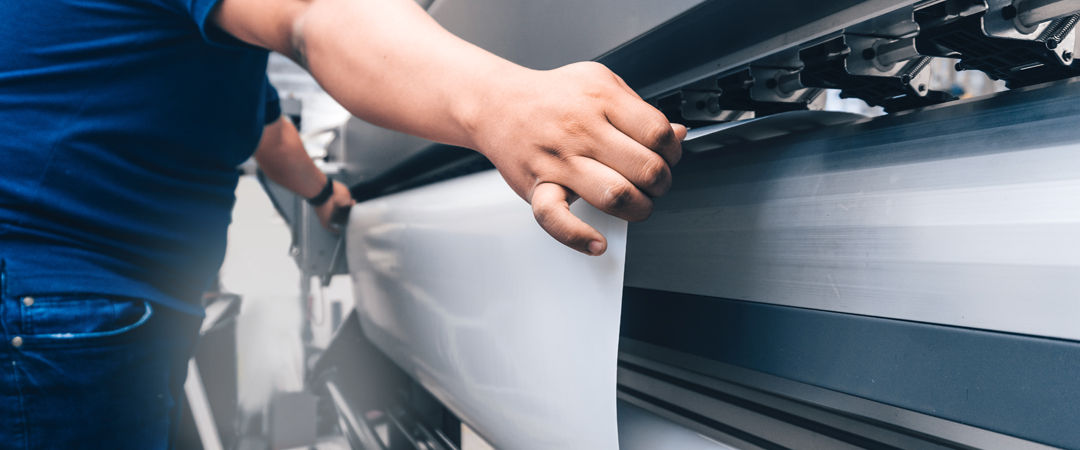
When it comes to digital printing, there are two types of printer: inkjet and laser. The first uses liquid ink cartridges to print. In the second, the text or image is reproduced on the substrate using powdered ink. In addition to its high-quality finish and precision, the latter technique saves considerable time when printing small quantities of documents.
Digital printing is mainly used to produce various print products such as packaging and traditional stationery communication tools (brochures, posters, flyers, leaflets, etc.). It is also possible to print in large format or on textiles. The future of printing lies in this process.
The benefits of using this innovative equipment
Digital printing is now part of our daily lives, whether at home or at work, because of its many advantages. In particular, it meets the needs of the modern communications market. This type of reproduction is fast, practical and cost-effective.
In fact, continuous-flow printing optimizes printing times. The concept of print-on-demand and short-run printing reduces waste and paper piling. Thanks to its great adaptability, it can print small, medium or large quantities as required. Personalization and variable data printing are well suited to direct marketing.


